 Image 1 of 4
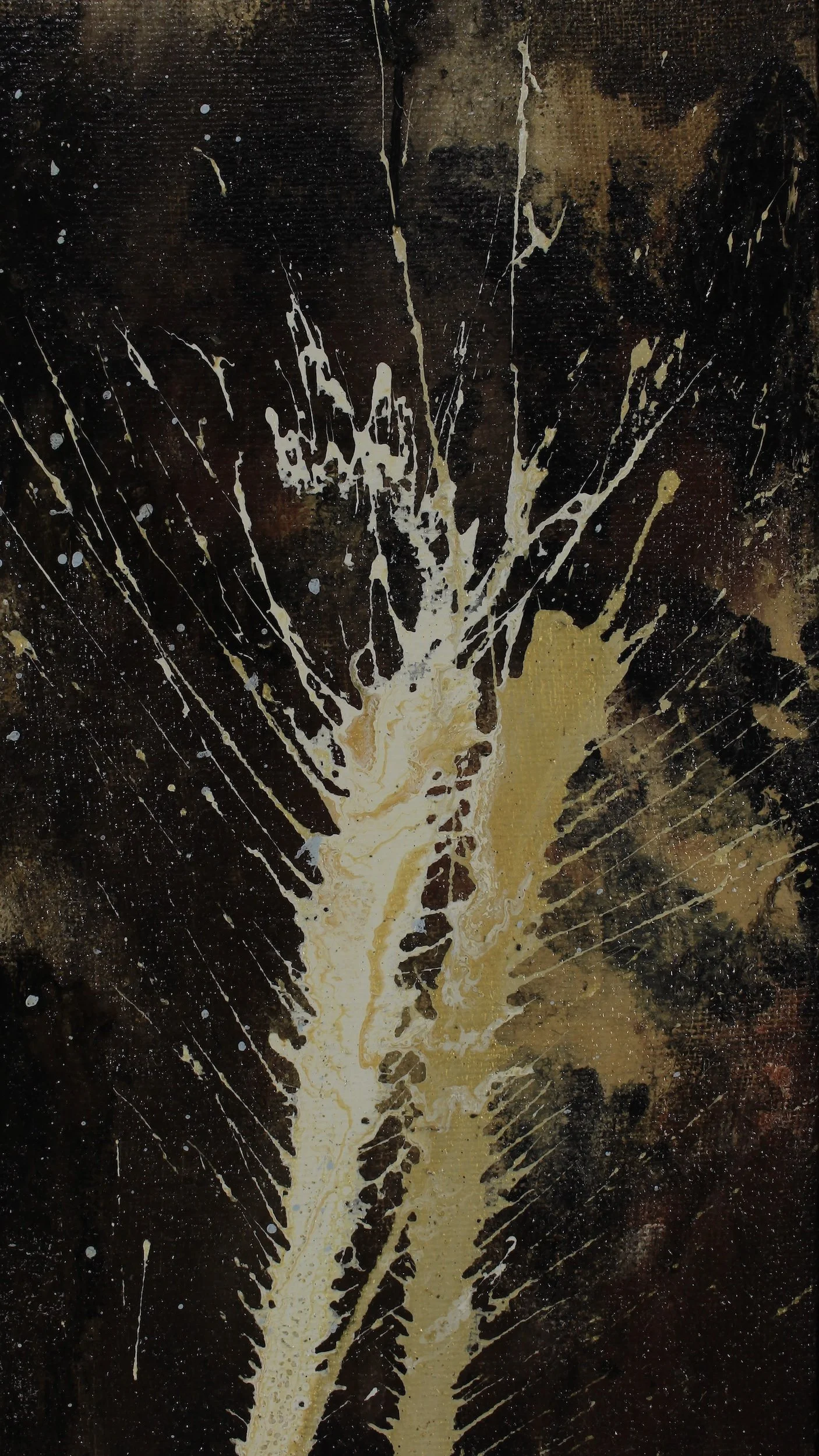 Image 2 of 4
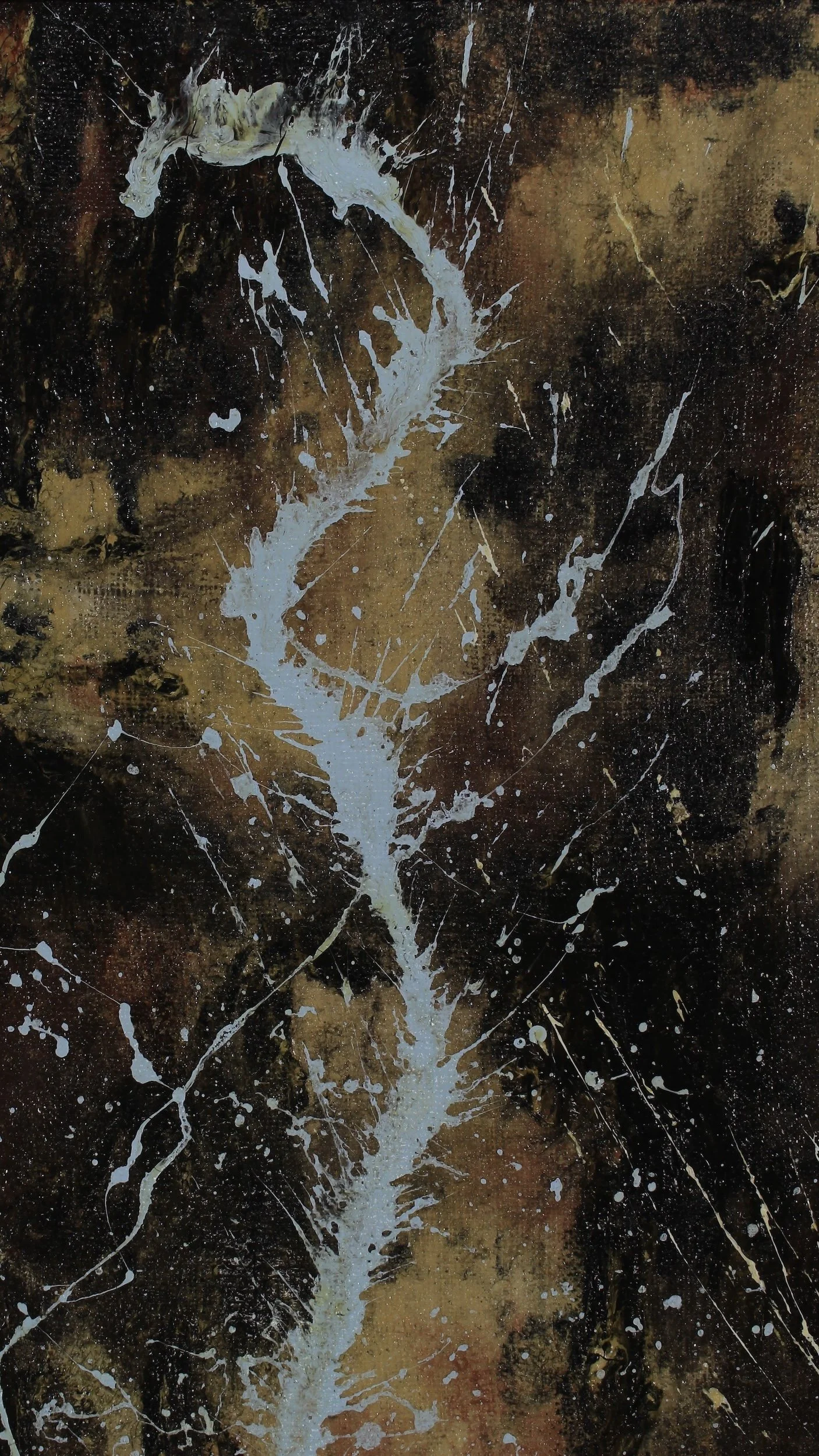 Image 3 of 4
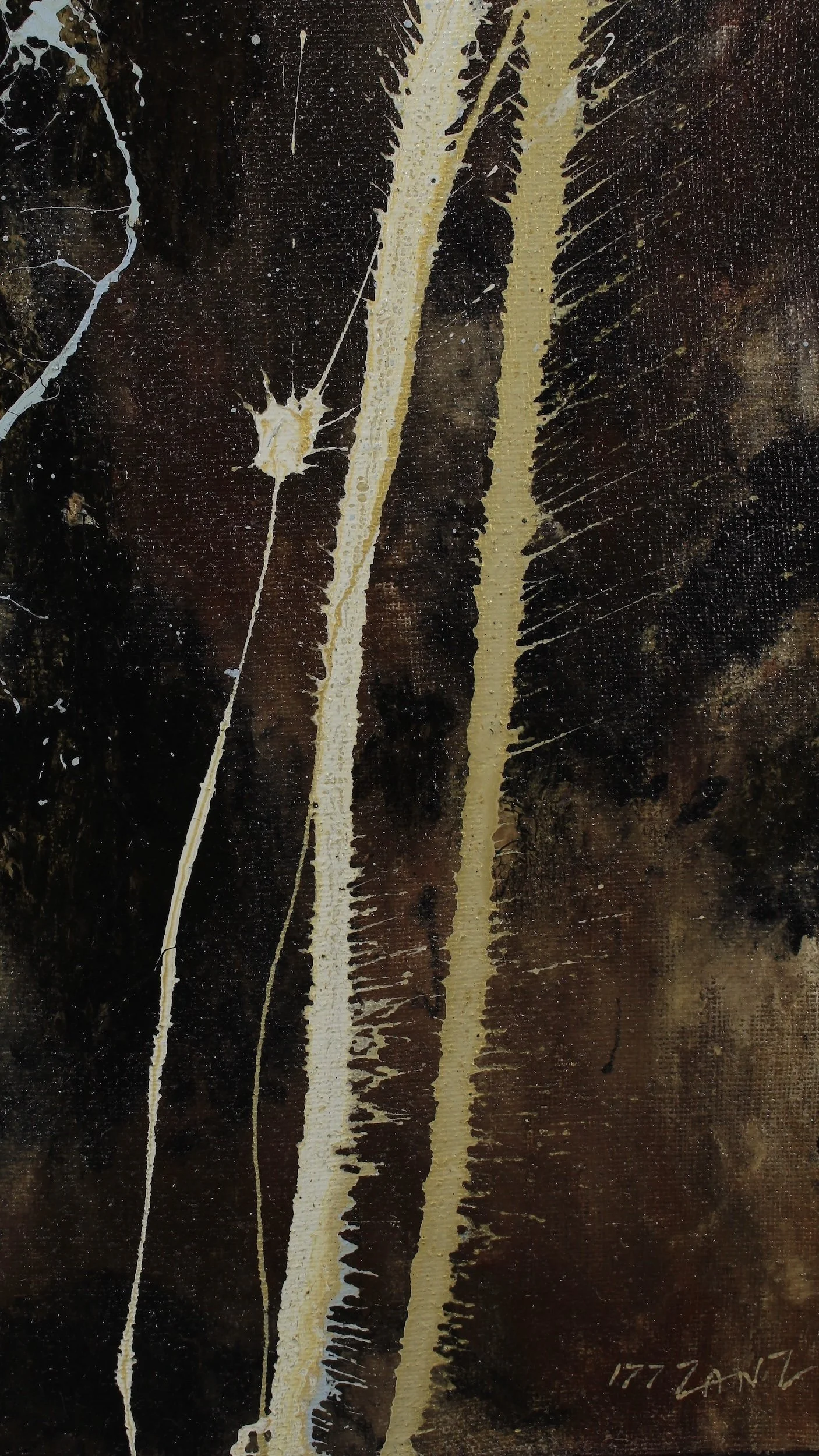 Image 4 of 4
-
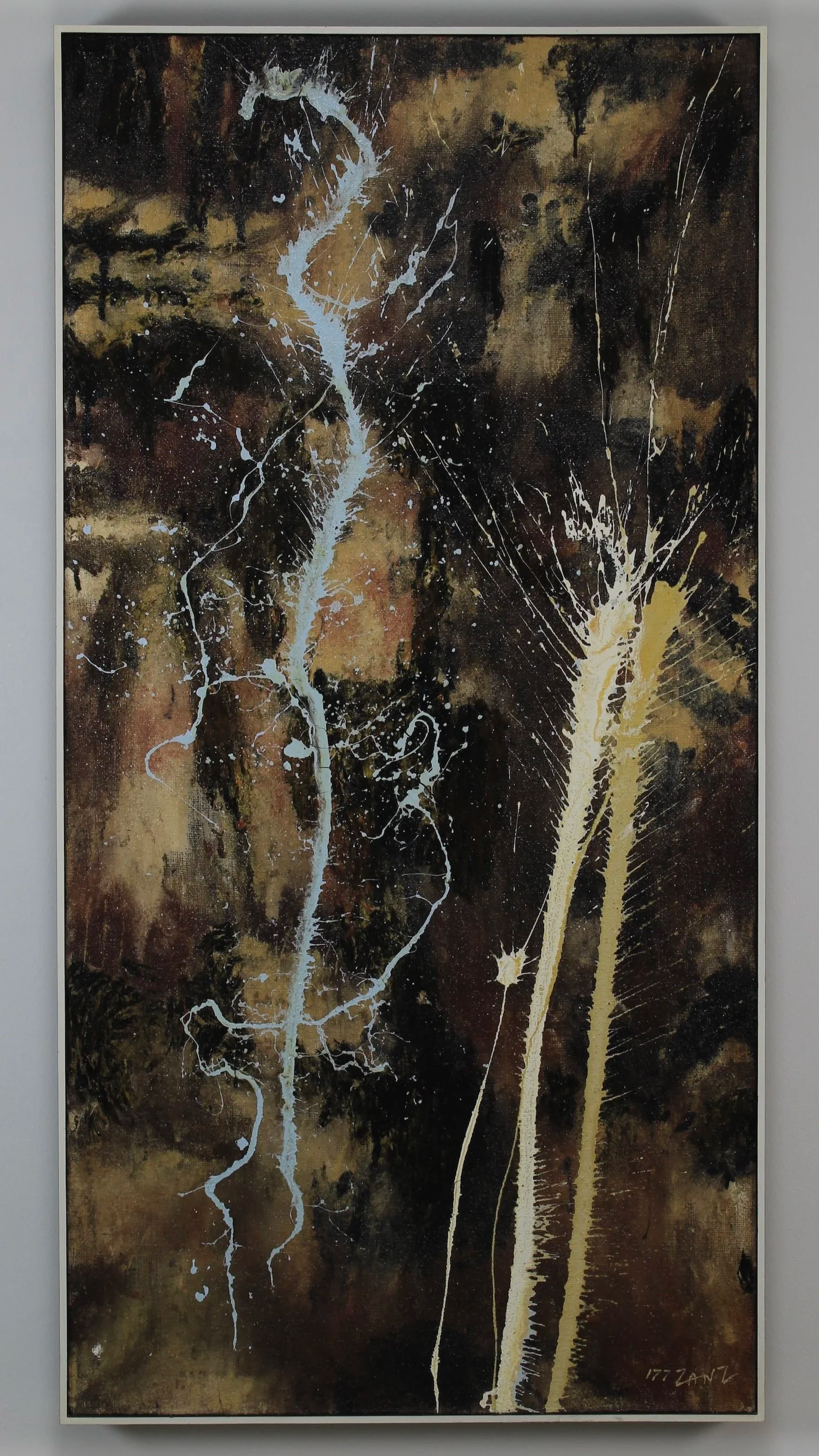
The Manila series explores how early FOLP gestures behave on irregular, highly textured grounds. By 1993, Zanz had already been refining his FOLP method for several years, and these works show that motion interacting with surfaces built from acrylic, oil, plastic cement, polyurethane, mica, encaustic, and corroded metal.
The paint reacts differently across each area of the ground—absorbing, resisting, pooling, or fracturing—creating a layered, weathered appearance. Manila reveals an early moment where material complexity and controlled motion begin to shape Zanz’s evolving visual language.